10 VR Gaming Trends Defining 2026
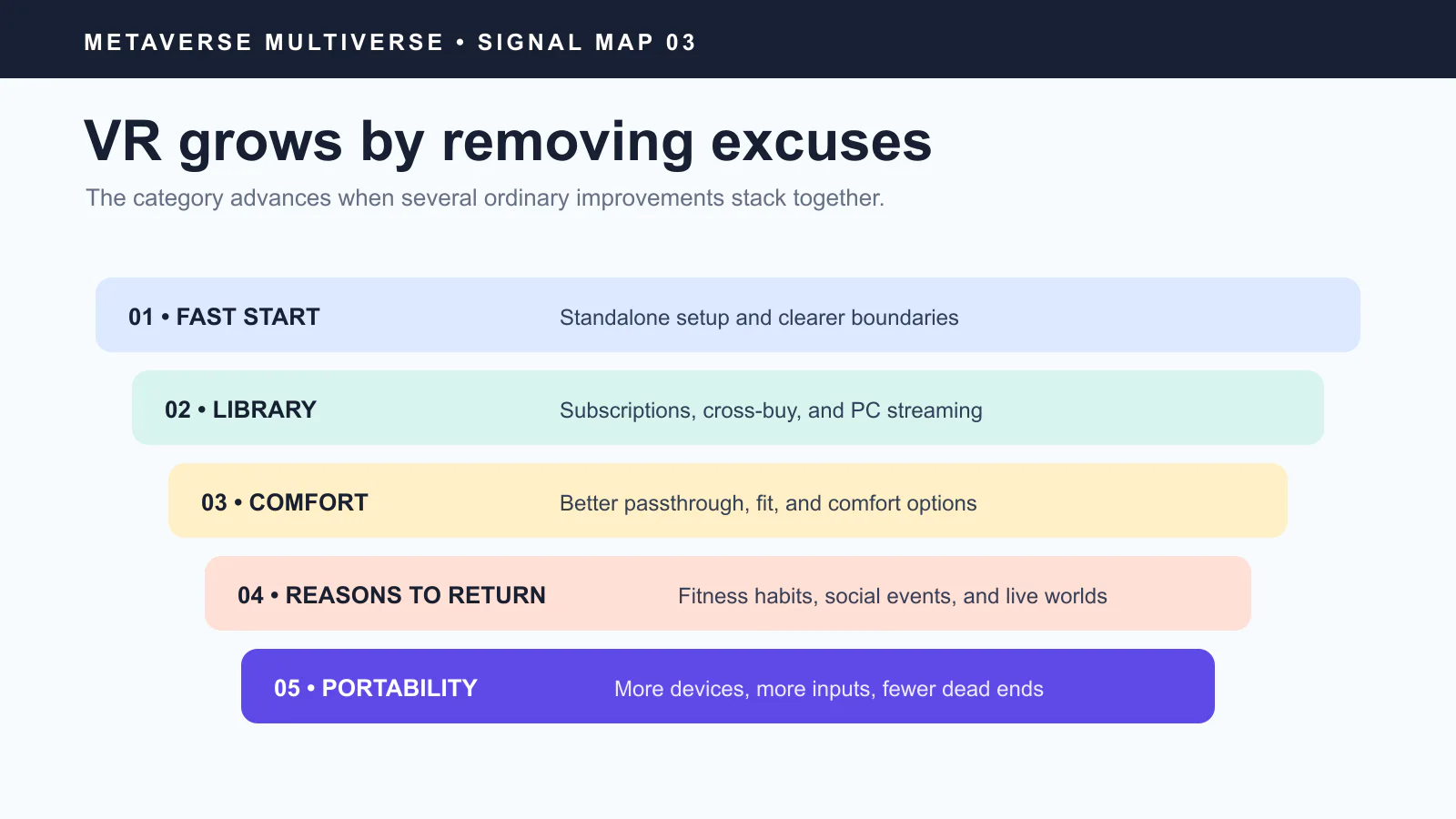
Image: Metaverse Multiverse
Every January someone declares this the year VR finally arrives. What makes 2026 different is that nobody had to. The medium stopped chasing a single hero moment and instead moved forward on a dozen fronts at once: better passthrough, wireless PC streaming, real subscription libraries, and social spaces people actually revisit. None of these is a fireworks display on its own. Stacked together, they explain why VR feels less like a demo booth and more like a shelf in the electronics aisle this year.
Here are the ten trends doing the heavy lifting.
The trends shaping the year
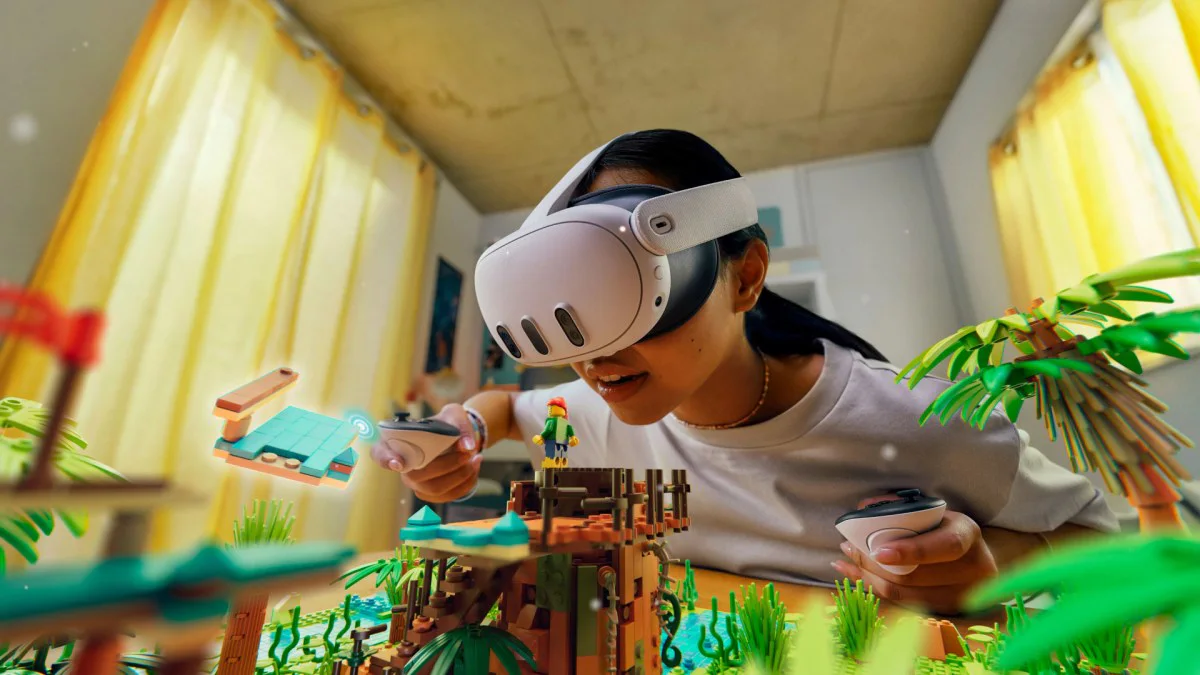
1. Mixed reality moves into the default conversation. Full-color passthrough turned “put on a blindfold” VR into headsets you can wear with your coffee table still visible. In 2026 more games and applications are being designed around a visible real room, though mixed-reality support still varies substantially by title and platform.
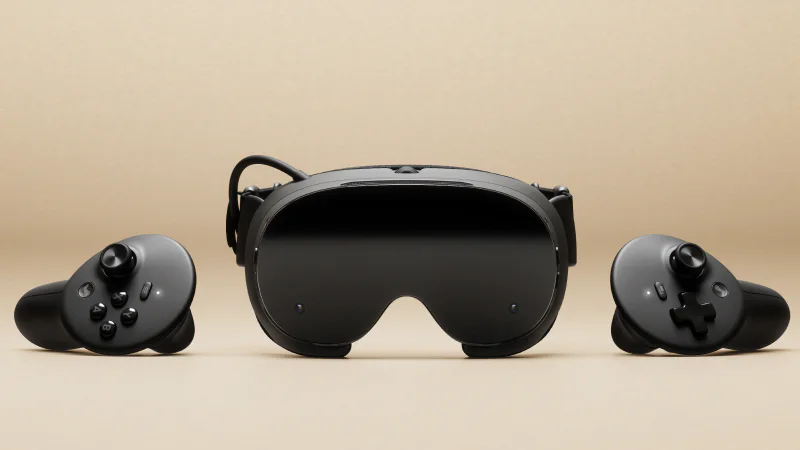
2. Standalone headsets that stream your PC library. The clearest signal is Valve’s Steam Frame, a standalone headset built to wirelessly stream your existing Steam catalog. The idea reframes a headset as a portable window into games you already own instead of a store you have to re-buy into.
3. Platform competition is real. Meta still anchors volume with the Quest 3 and 3S, but Samsung’s Galaxy XR on Android XR and Apple’s Vision Pro give the market a genuine spectrum. Competition, not a monopoly, is finally the story.
4. Subscription libraries mature. Meta’s catalog subscription and bundled deals mean new buyers land in a full library on day one, which changes the classic “I have the hardware but nothing to play” problem.
5. Fitness went from novelty to habit. Rhythm and boxing titles can support repeat-use routines, while health tracking and structured programs give fitness applications a clearer reason to be reopened.
6. Social worlds got stickier. Persistent hangout spaces and creator-built worlds are learning from live-service games: events, seasons, and reasons to come back on a Tuesday.
7. Hand and eye tracking expand the input stack. Controllers are not dead. Hand tracking, eye tracking, and foveated rendering are becoming more important parts of the input and rendering stack, but support still varies by headset and application.
8. AI companions and smarter NPCs. On-device and cloud AI can support more conversational characters. VR’s face-to-face framing makes the idea compelling, but quality, latency, safety, and operating cost still determine whether it improves a real game.
9. Cross-play and portability. More titles let VR players share worlds with flat-screen friends, widening the audience a headset game can reach.
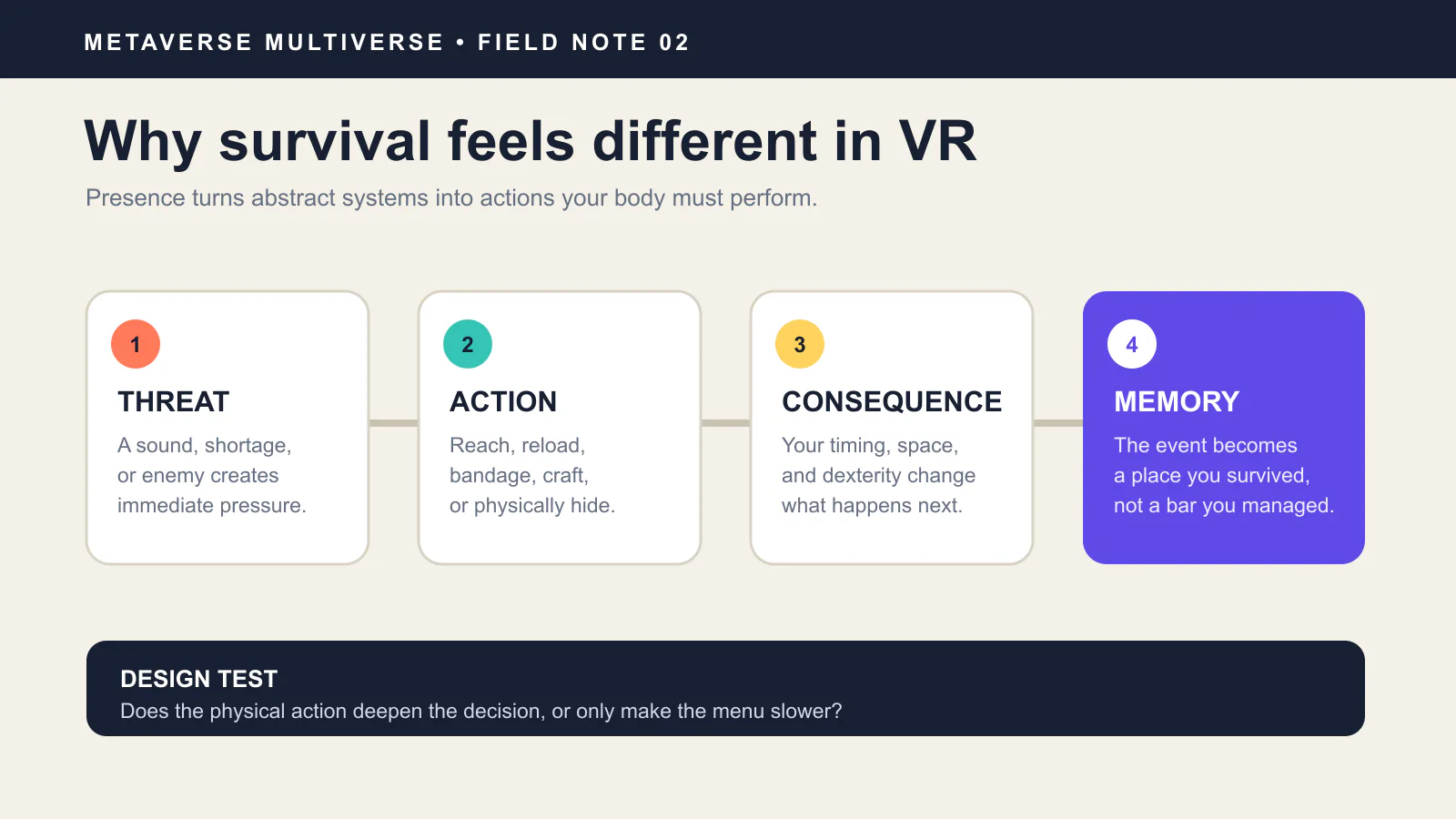
10. Immersive survival and horror lead the design conversation. Presence makes tension physical, and survival, extraction, and horror are where studios are pushing hardest on what only VR can do.
Which trends matter for which players
| If you are a… | Watch this trend | Why |
|---|---|---|
| PC gamer | Standalone PC streaming | Play your Steam library untethered |
| Casual buyer | Subscription libraries | Instant catalog on day one |
| Fitness user | VR fitness habits | Structured, trackable routines |
| Social player | Persistent worlds | Events and seasons keep it alive |
| Thrill seeker | Immersive survival and horror | Presence you cannot get on a monitor |
The through-line is normalization. Each trend chips away at a specific old excuse for skipping VR: too isolating, too few games, too tethered, too lonely, too shallow.
FAQ
Is 2026 a good year to buy a VR headset? Yes, more than most. There are real choices at several price points, and libraries are deep enough that a new headset is not a paperweight after a weekend.
Do I need a gaming PC? No. Standalone headsets run full games on their own. A PC unlocks higher-end experiences, and wireless streaming makes that route far less painful than it used to be.
Is the metaverse part of this? Partly. The social-world trend overlaps with metaverse ideas, but 2026’s version is more grounded: specific worlds people enjoy, not one all-encompassing platform.
Key takeaway
VR in 2026 is defined less by one breakout headset and more by ten quiet shifts that together make the medium feel normal instead of experimental. No single trend is a revolution, but the sum removes the reasons people used to stay out.
Published by BudLeiser, the studio behind Metaverse Multiverse.
Product sources
- Valve Steam Frame product page
- Samsung Galaxy XR official product page
- Meta Quest 3 official announcement
vrvr-gamingtrendsmixed-reality2026